MVP
An assistive mobile robot designed for wheelchair users, developed through software, electronics, CAD, and fabrication.
Early stages
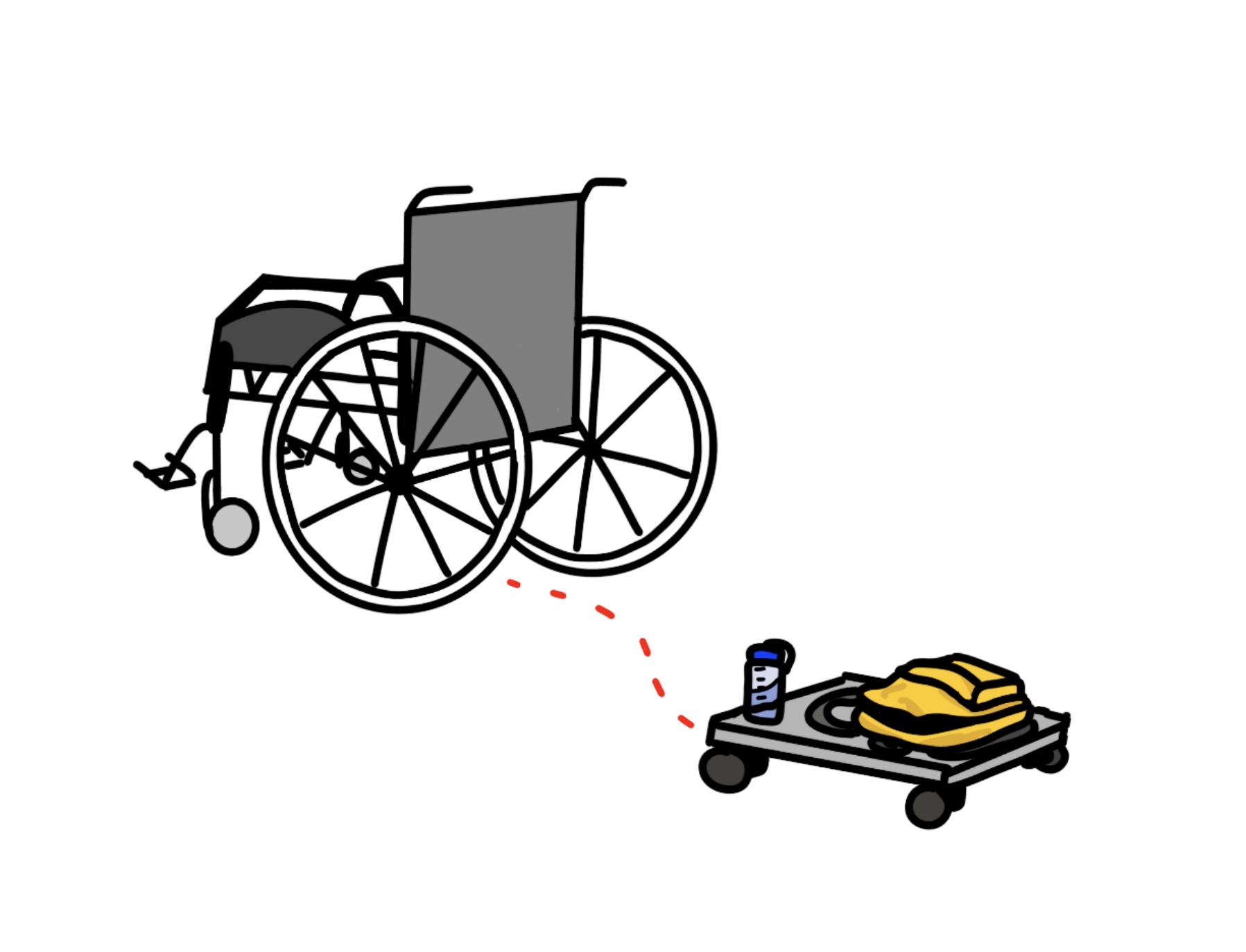
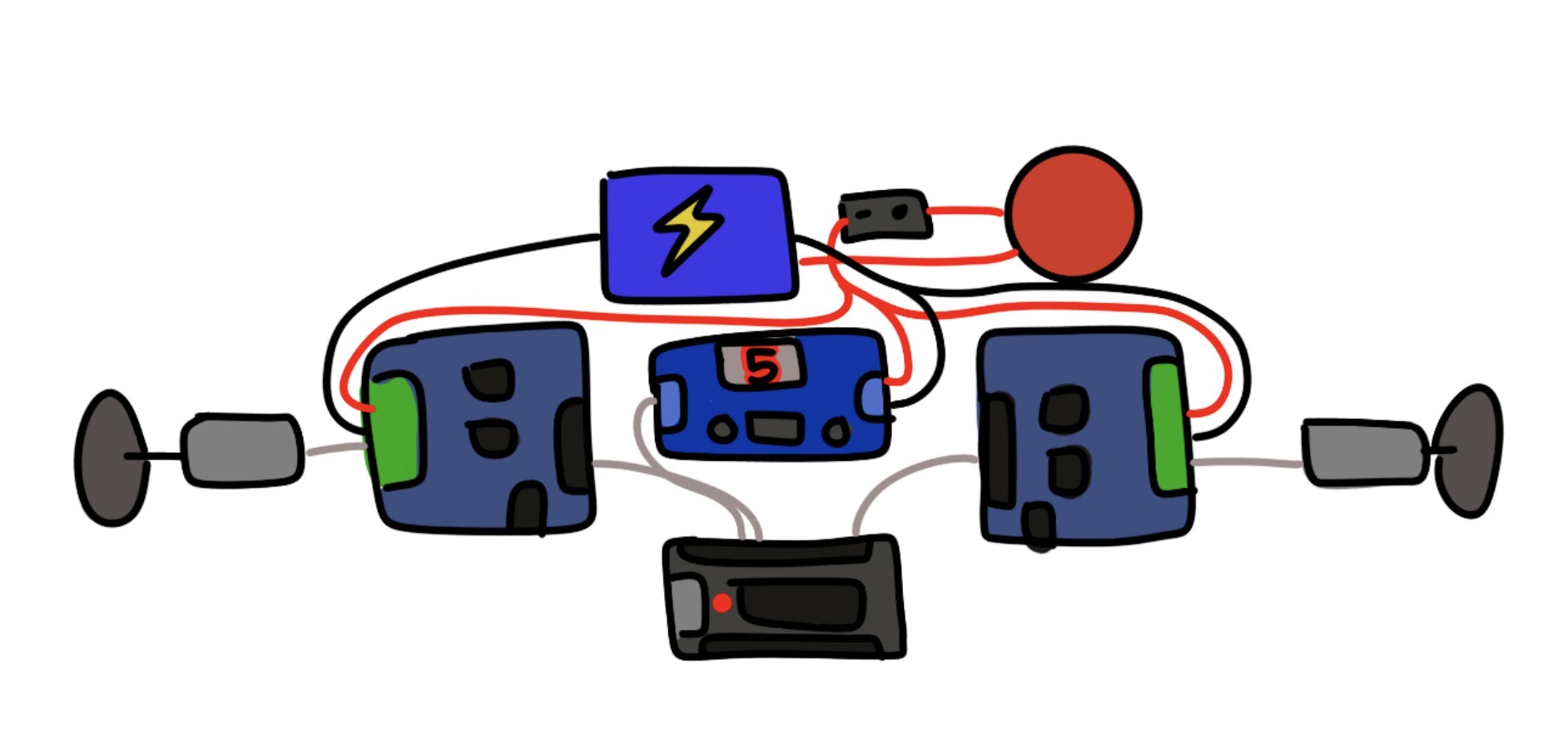
The goal for this project was to build a cargo-carrying robot designed to aid wheelchair users by carrying personal items such as backpacks or groceries to reduce the physical burden of transporting belongings. Below are concept sketches that establish the intended use case and mapped the electronic architecture before physical development began.
Building the system
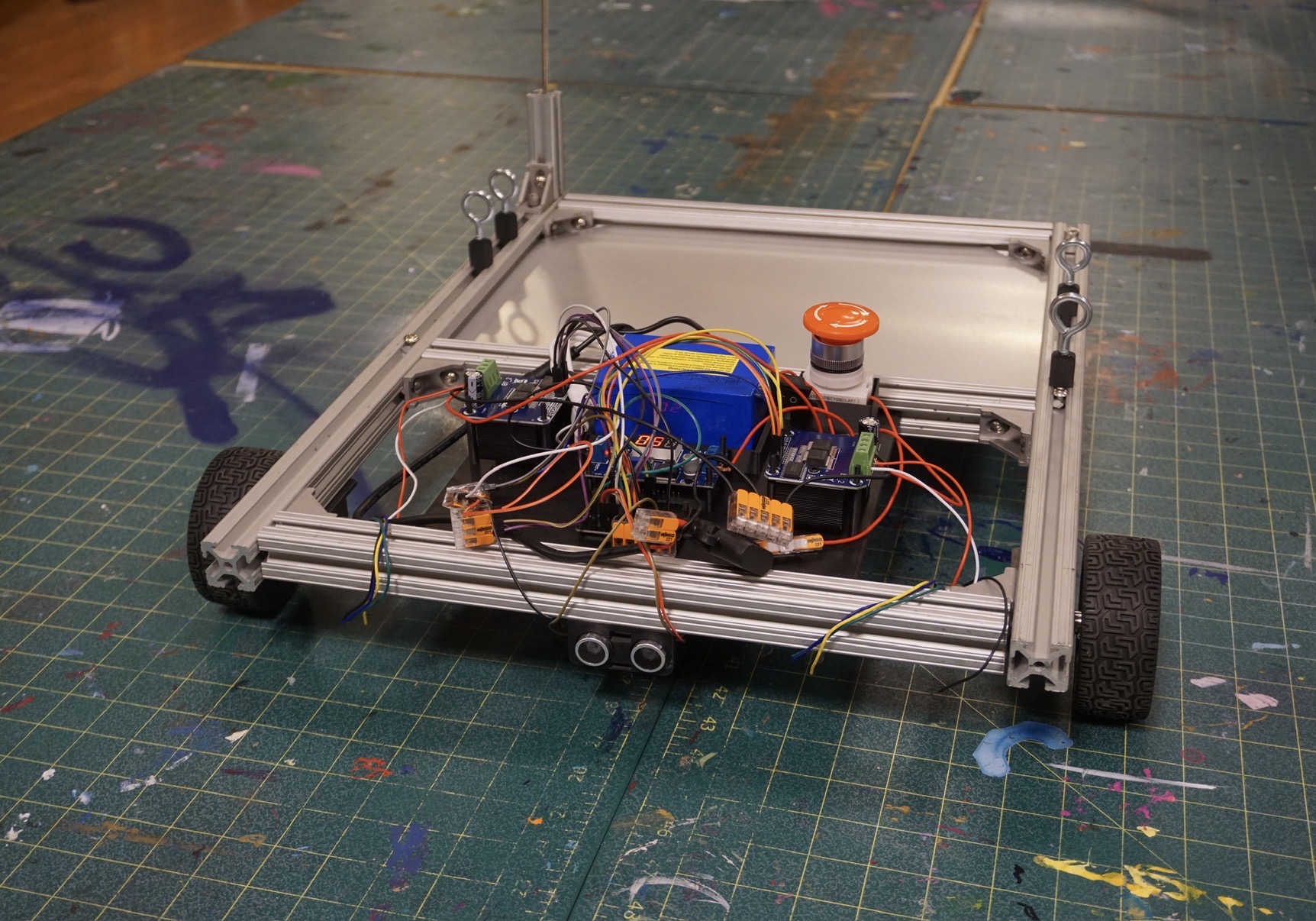
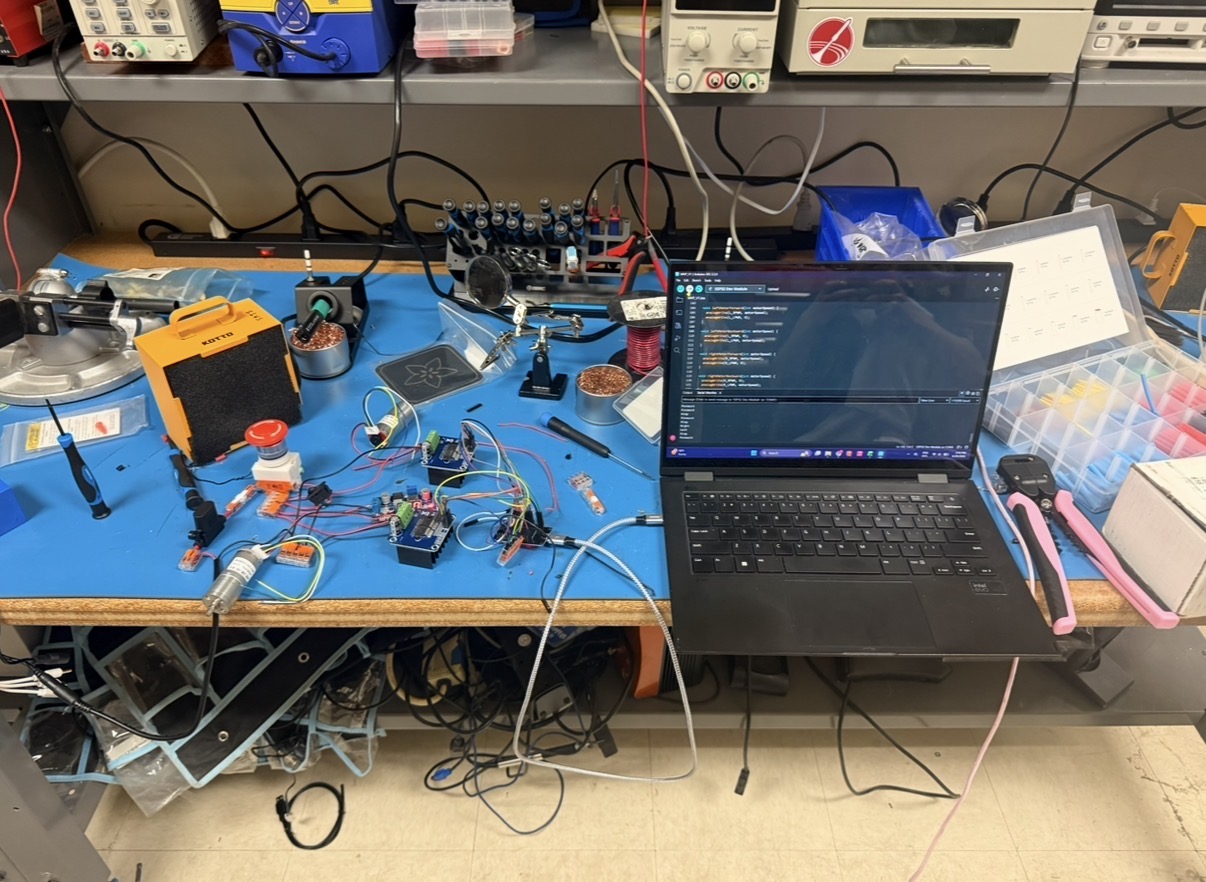
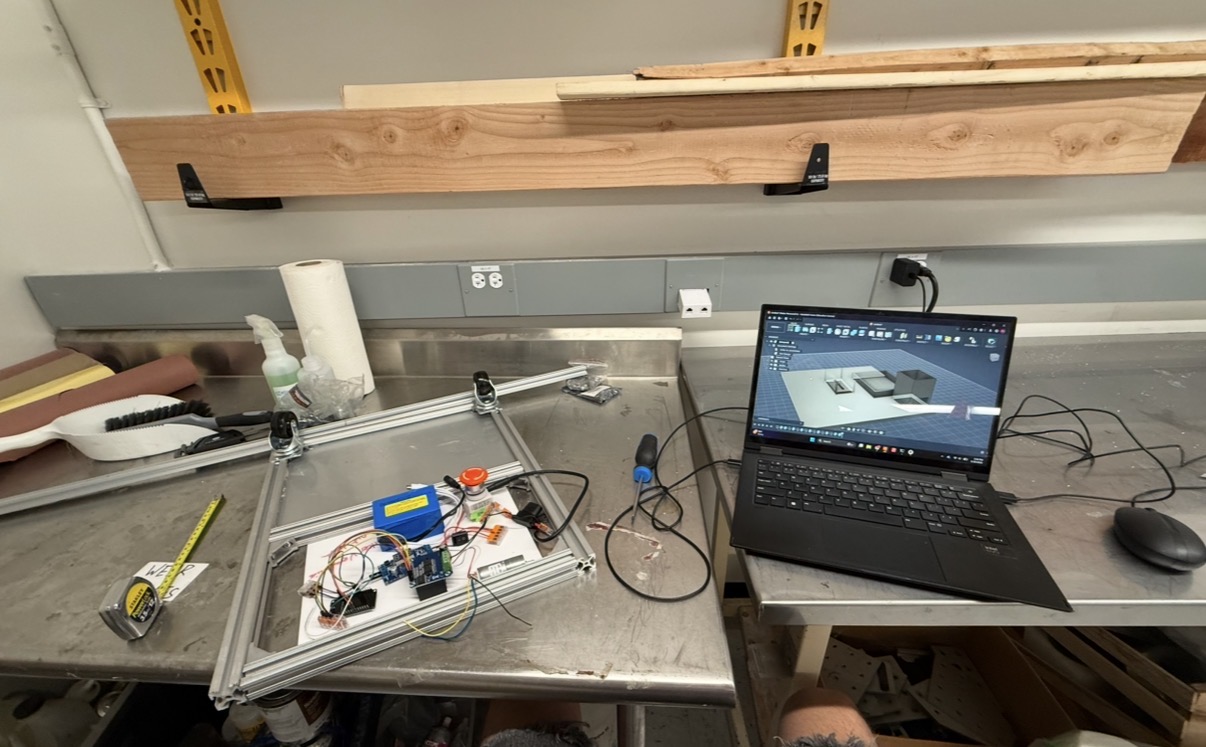
Electrical wiring and software development were key first steps in bringing MVP to life. Methodically adding more pieces to the circuit and testing them one by one ensured functionality and my own understanding of each component. Once the electrical wiring was completely functional, I designed and manufactured an aluminum frame and mounting board to house the electronics and the cargo bed.
Completed prototype
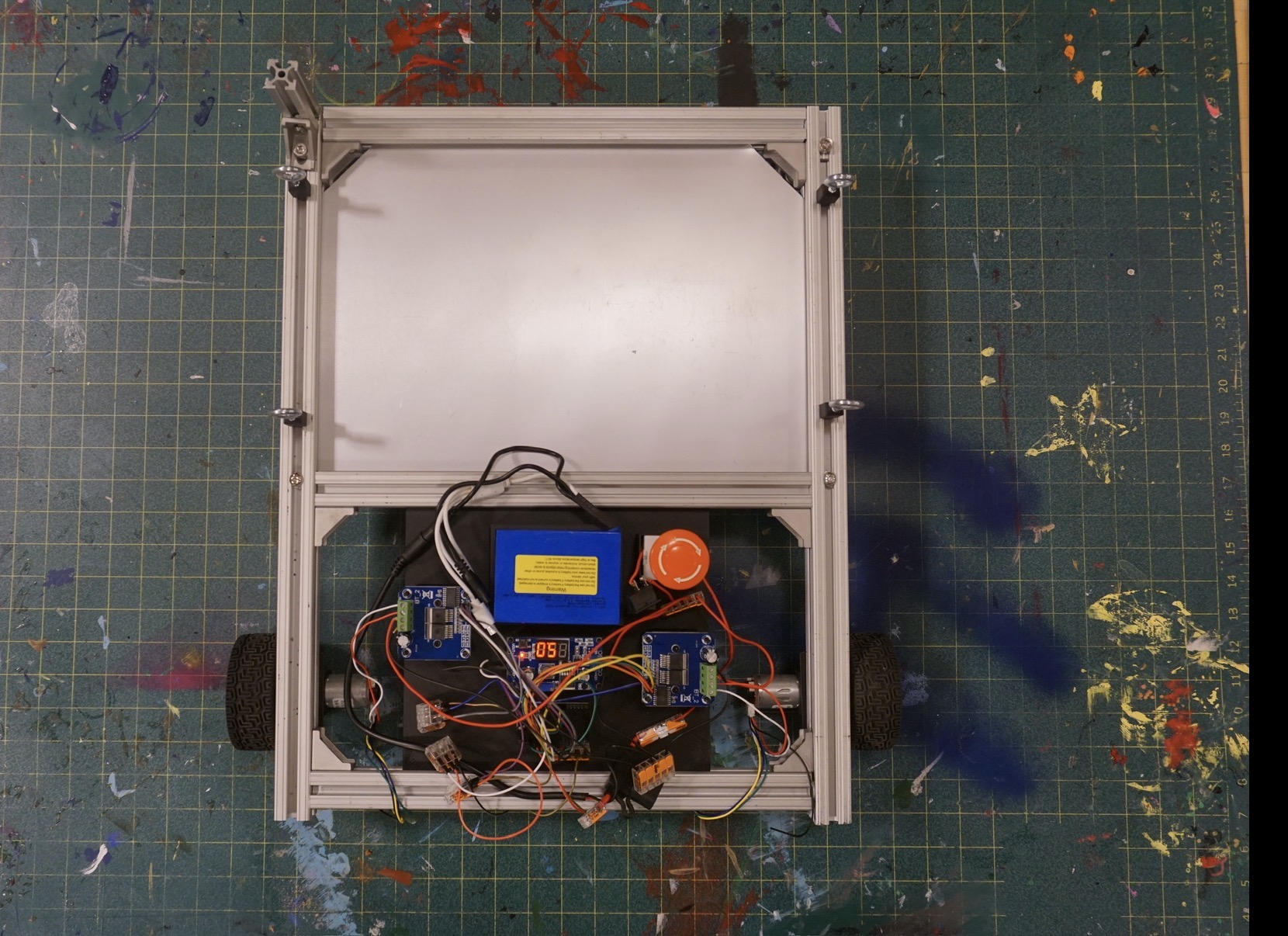
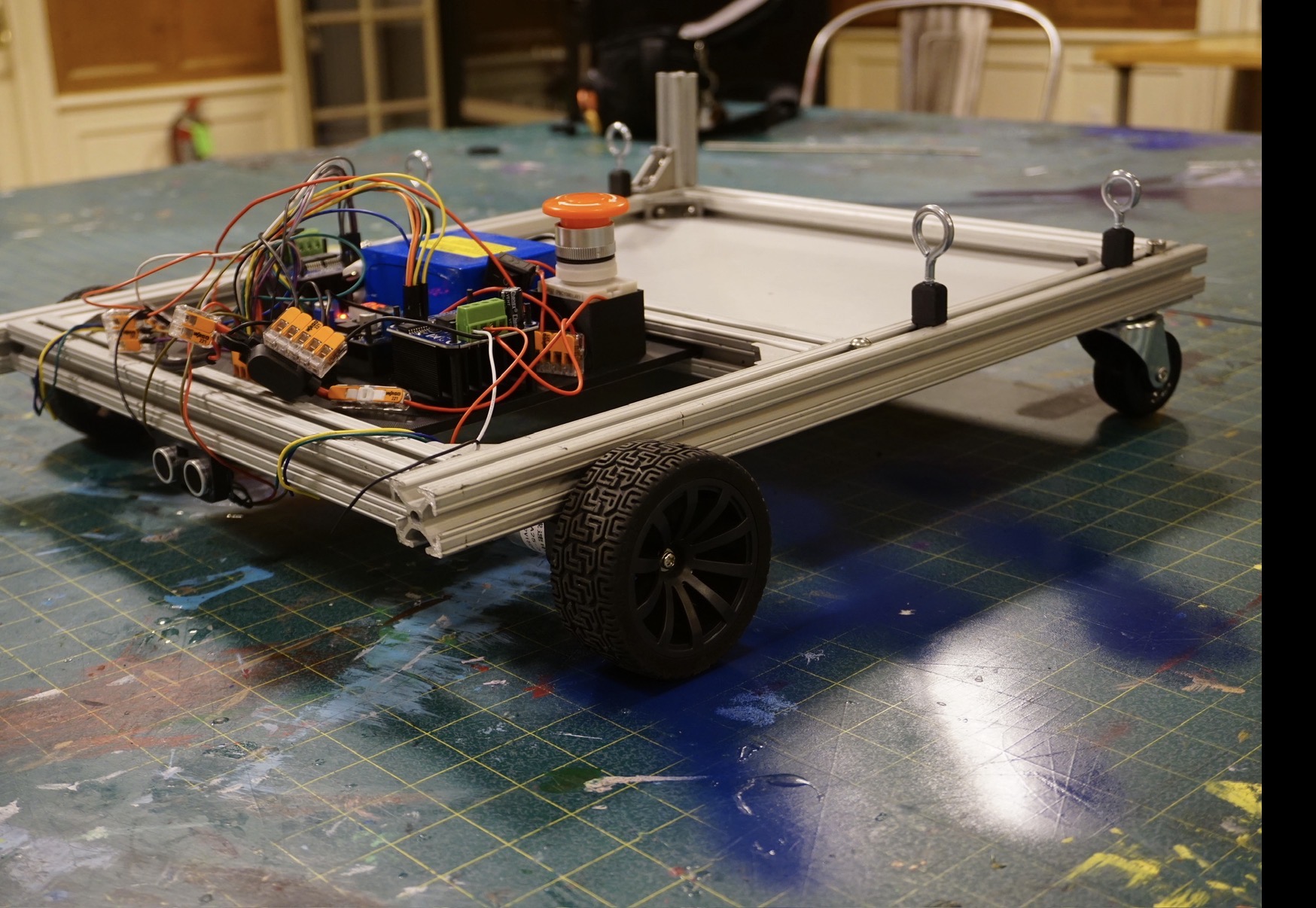
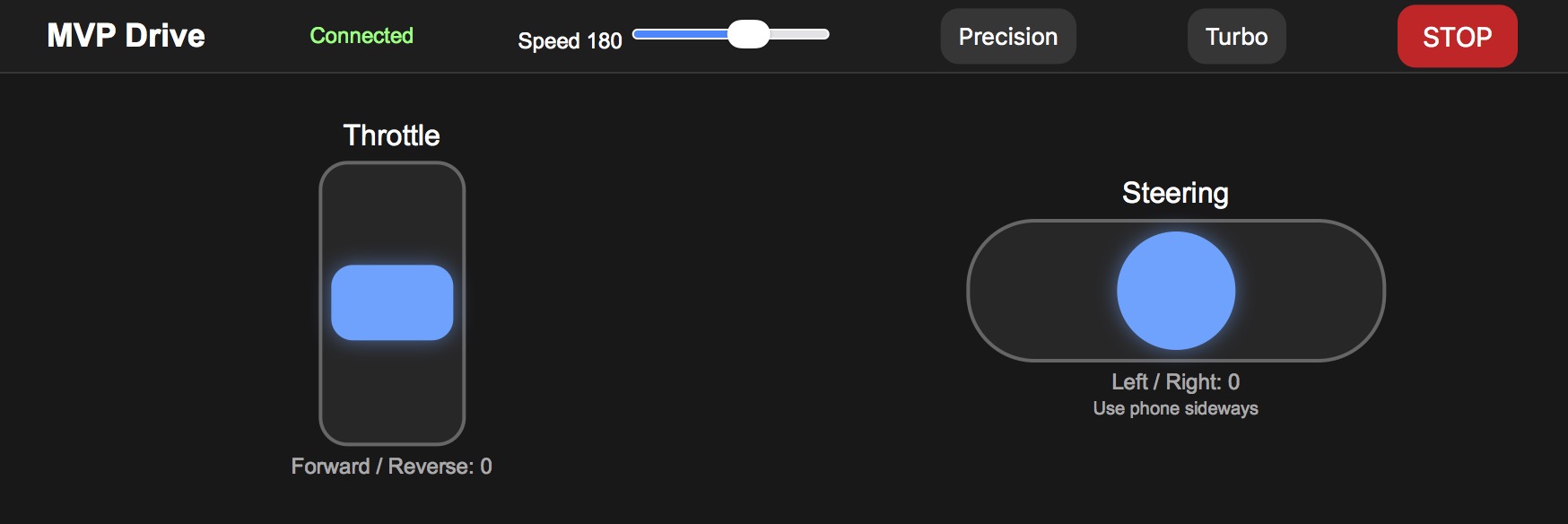
The completed prototype brings the cargo platform, frame, controls, and onboard electronics together to create a capable and fully functional physical prototype equipped with a high-torque differential drive train, obstacle detection, an aluminum bed capable of carrying 30-plus pounds, and Wi-Fi-enabled manual and tracking driving modes.