Robotics
An ongoing project focusing on articulated grippers for an autonomous underwater humanoid robot, developed through research, CAD, and physical prototyping.
Background: Ocean1
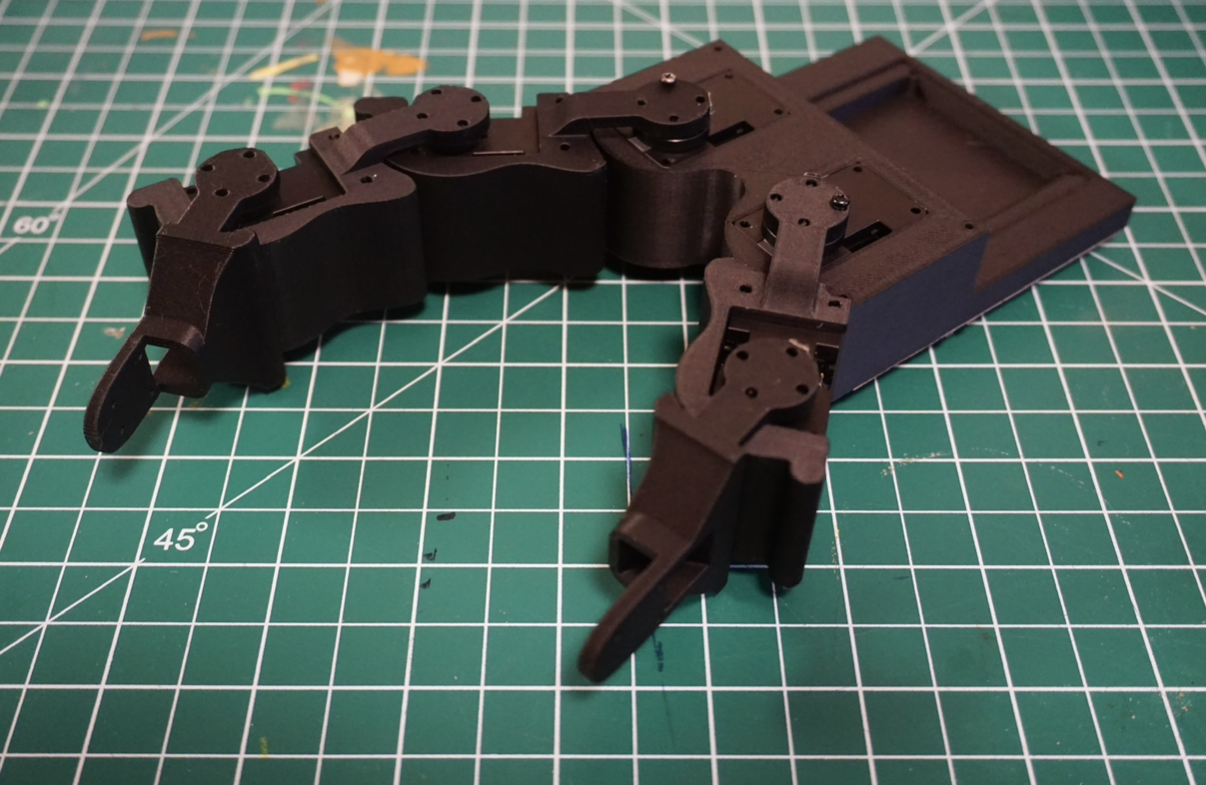
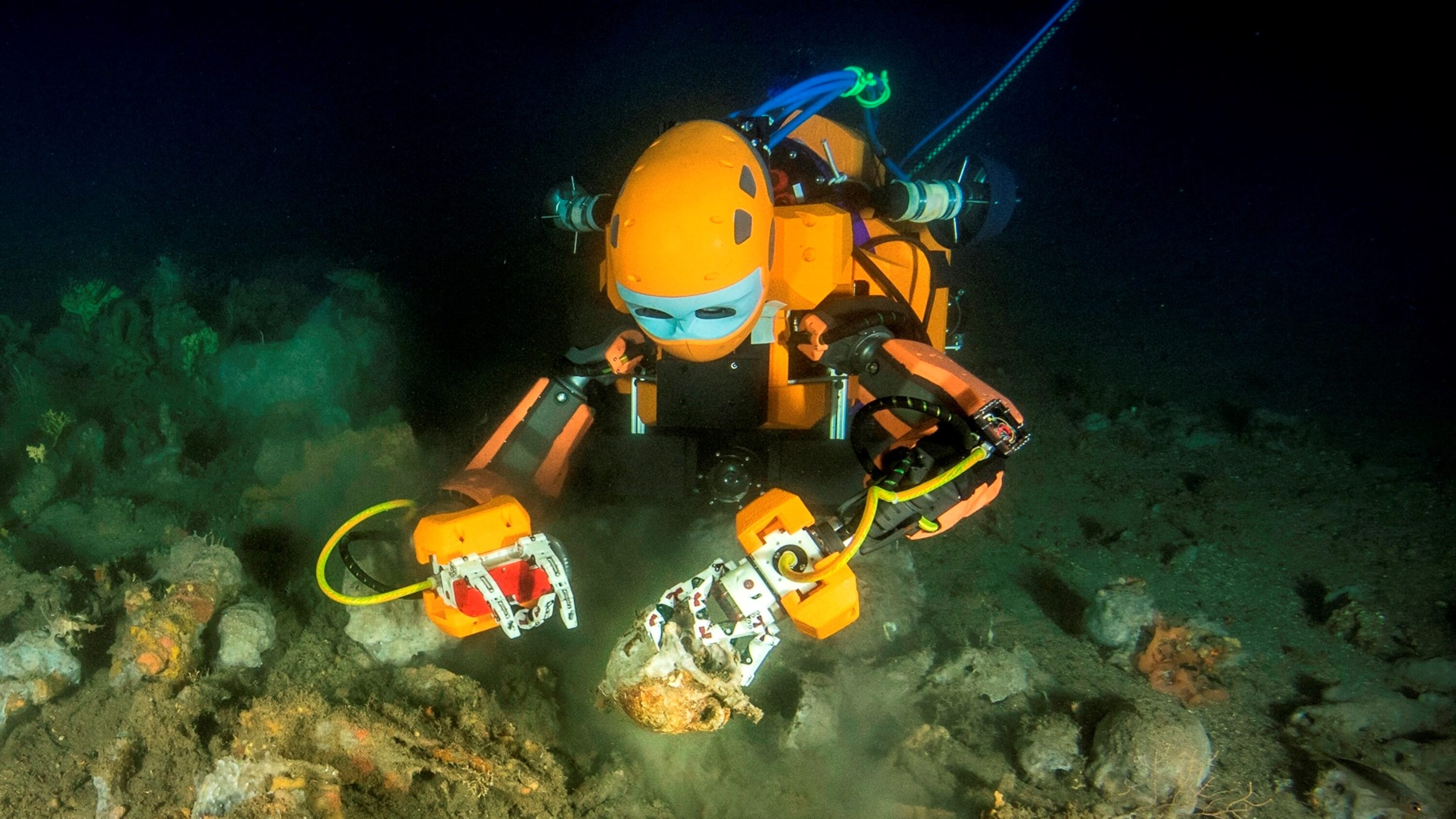
I am exploring high degrees of freedom grippers for Ocean1 in the BDML. The mechanism needs to translate articulated, human-like motion autonomously to complete tasks such as offshore buoy maintenance and underwater archaeology.
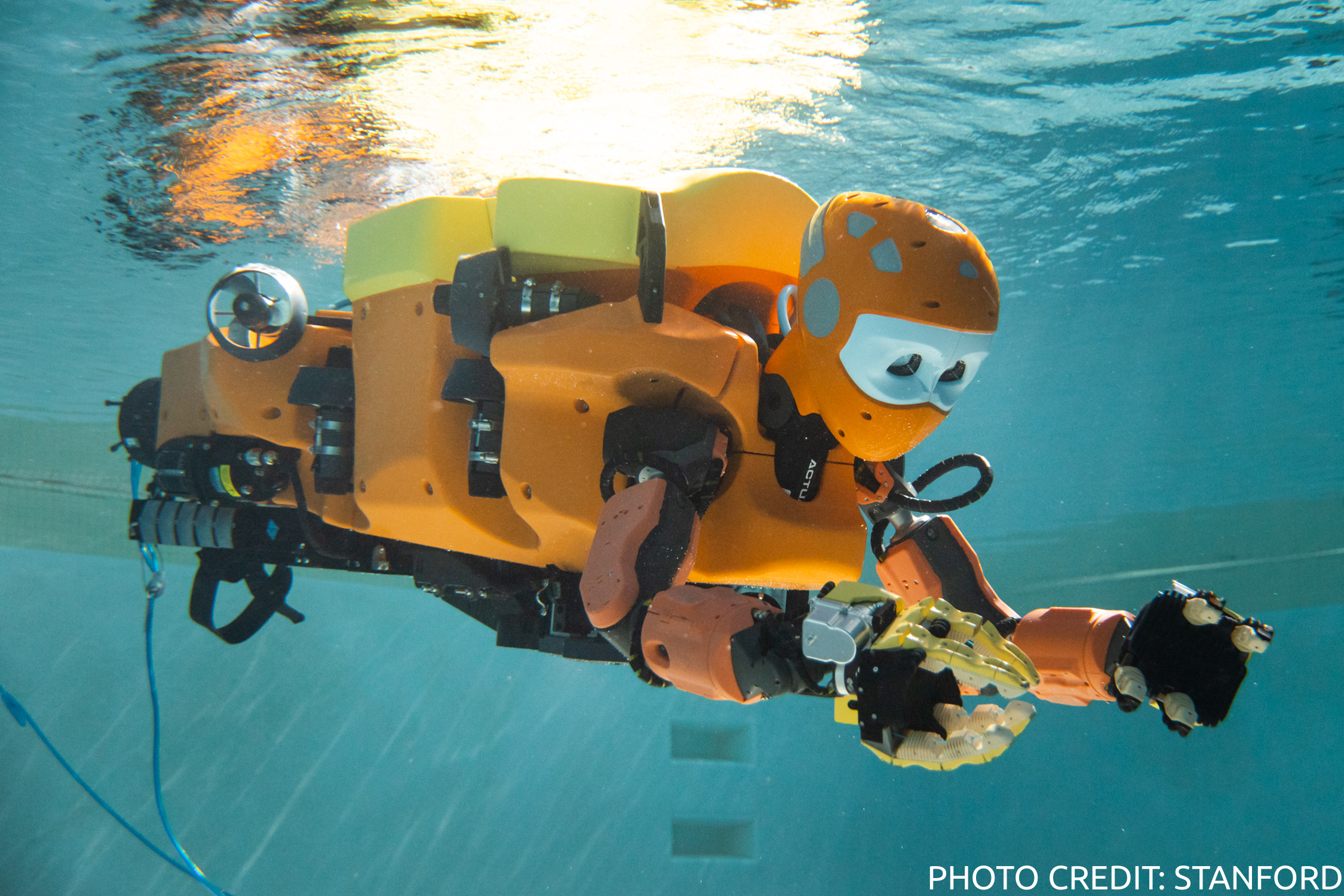
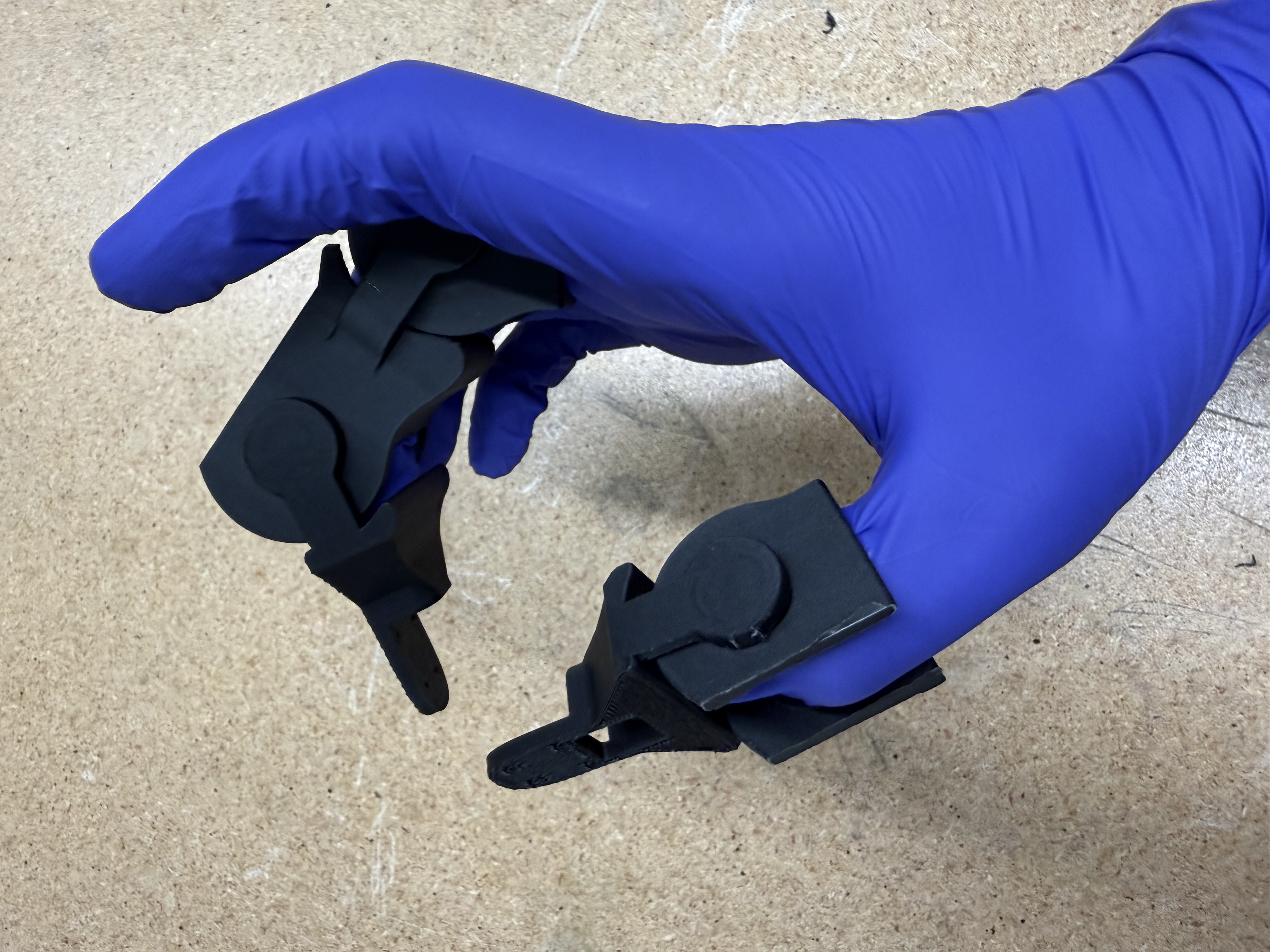
The project is ongoing. The work shown here documents the progression from early CAD models to 3D-printed physical prototypes and more complex gripper concepts.
Early-stage development
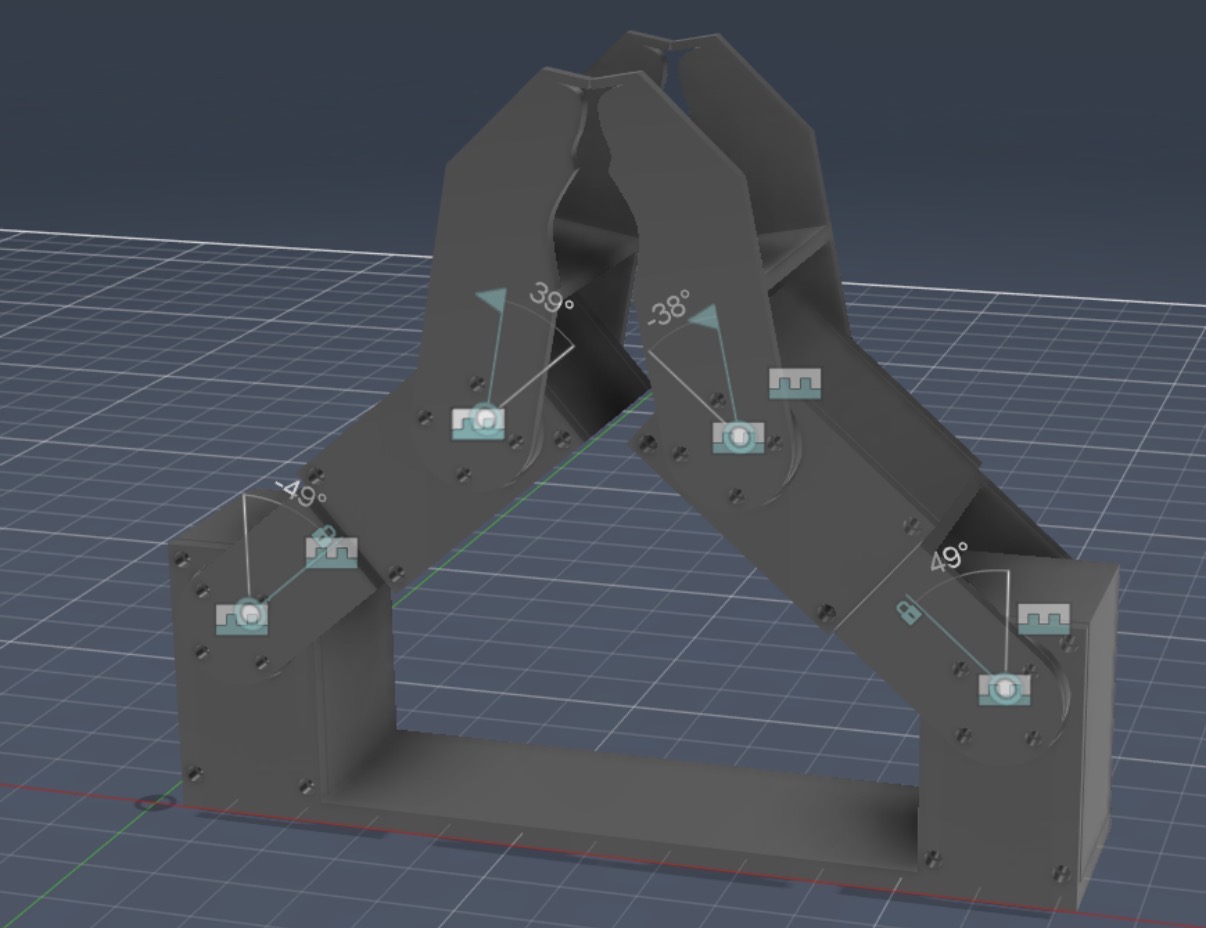
Early CAD focused on the architecture of opposing articulated fingers. Joint placement and angular relationships provided a fast way to study how individual segments might interact.
These early models provided crucial reference points for evaluating proportions, clearances, and grasping geometry.
I also manufactured a human-operated puppet version of my two-finger gripper to aid in training an autonomous model to mimic human operators completing specific tasks.
Complex gripper concepts
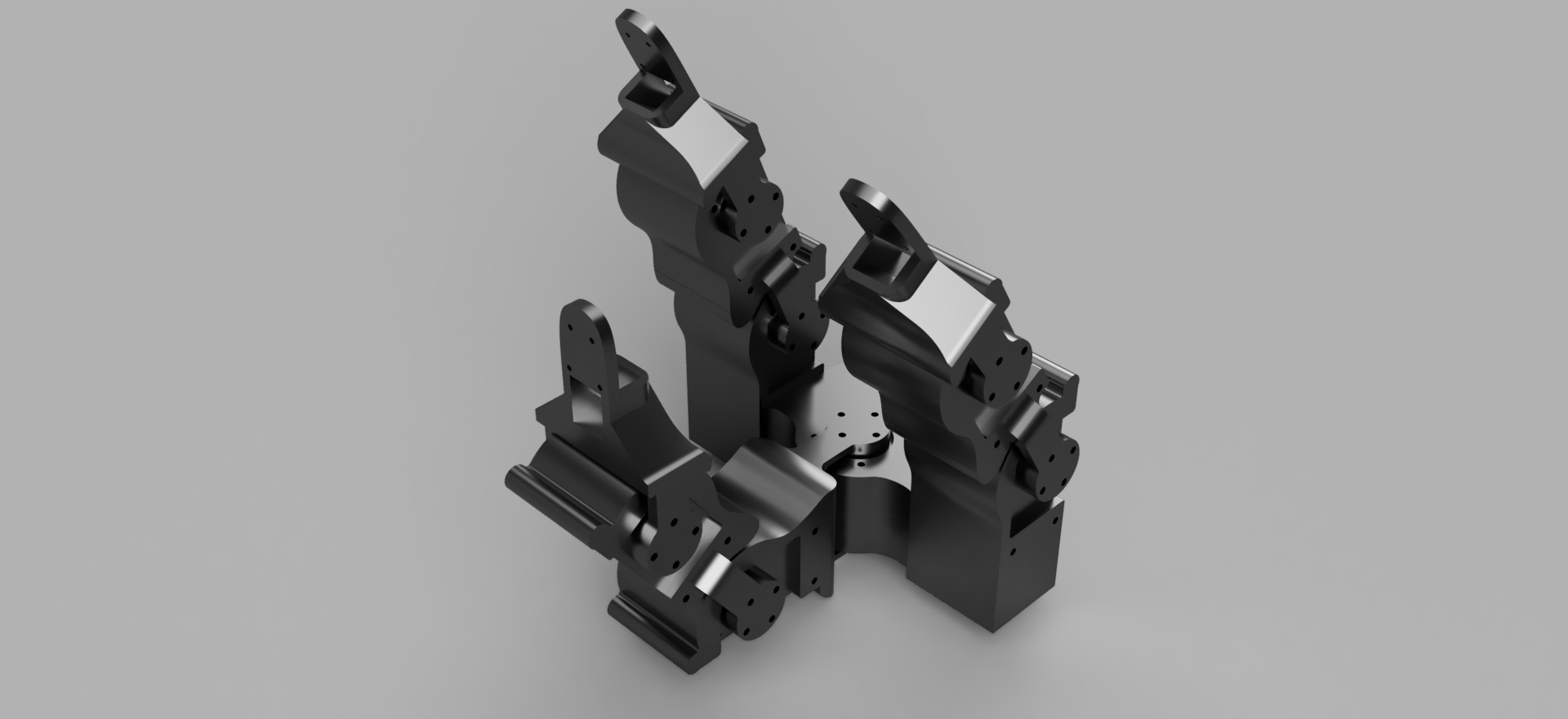
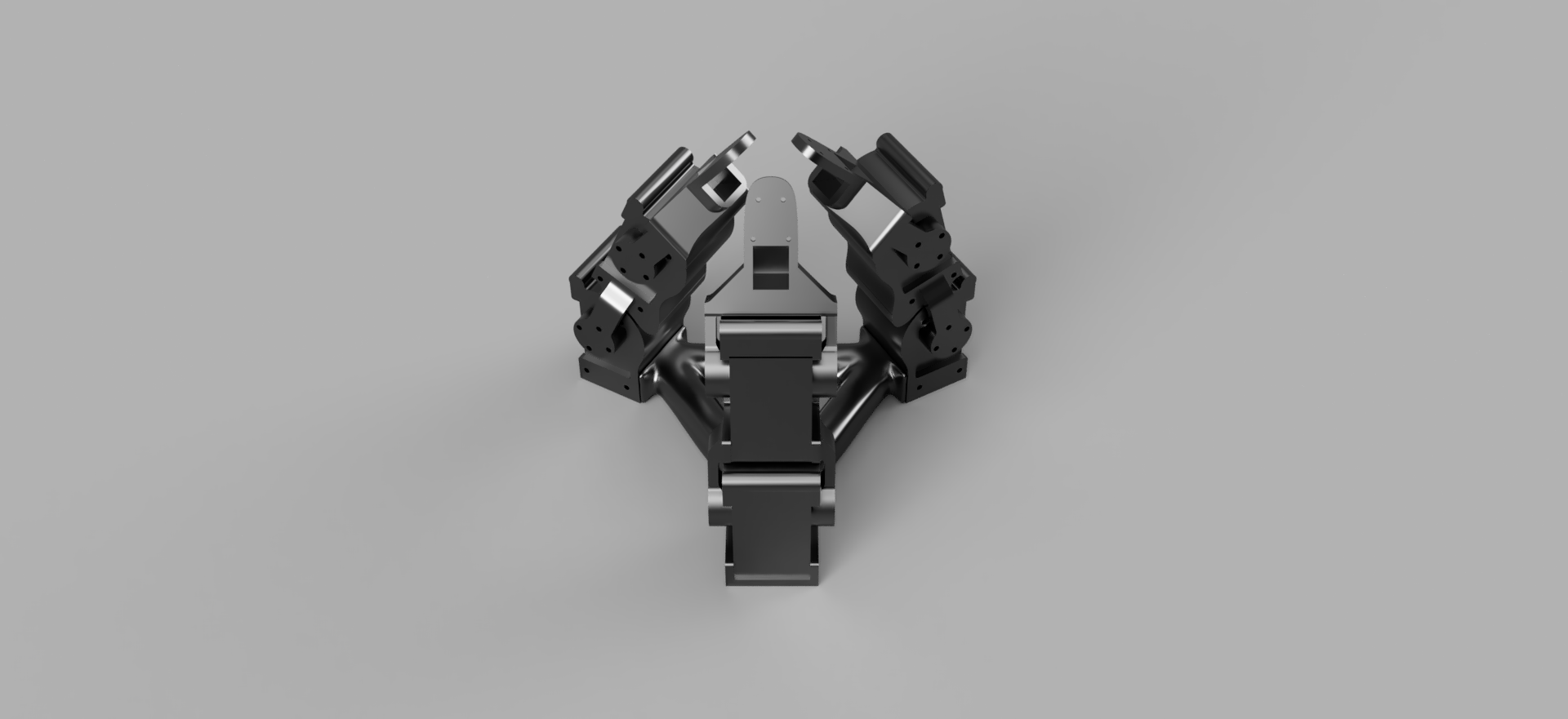
My later CAD work expands the mechanism into more specialized and complex directions. A three-finger design explores the use of palms and two fingers opposing another thumb-like finger, with an extra degree of freedom.
A radial gripper design concept explores a specialized gripper ideal for grasping small objects with equally distributed force. These concepts have not yet been physically prototyped.